by James Wright | Oct 2, 2026 | Aerospace Machining, CNC Machining, Manufacturing Technology
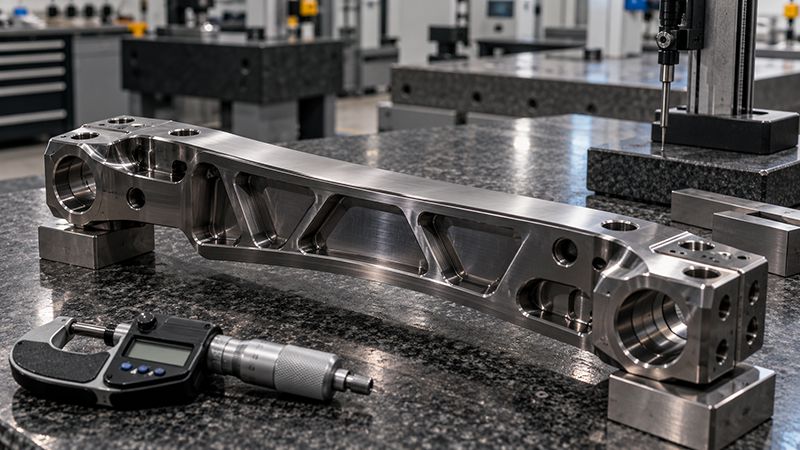
Heat treatment changes dimensions. Not by a lot — but enough to push a tight-tolerance feature out of spec if nobody planned for it. The part goes into the oven at ±0.0005” and comes out at ±0.002” because it grew, shrank, warped, or all three. The heat treater met...
by Accurate Machine & Tool Team | Sep 30, 2026 | CNC Machining, Manufacturing Technology
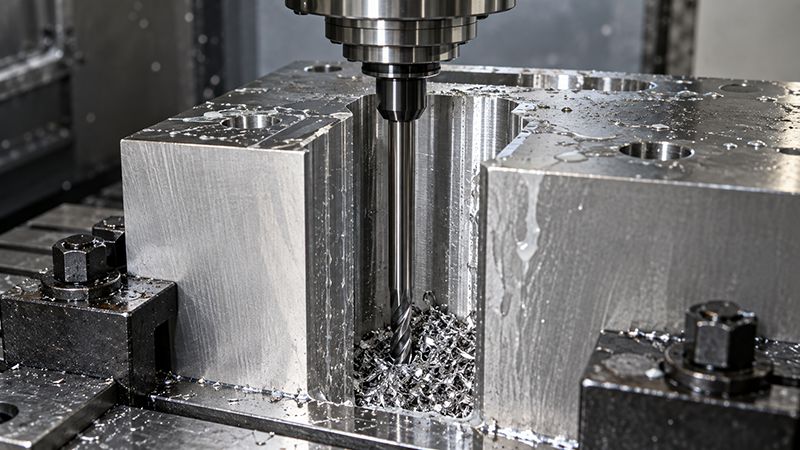
Pocket depth is limited less by the machine and more by the tool — a long, thin end mill deflects and chatters long before most machines run out of Z-axis travel. Quick summary: Practical pocket depth is generally limited to roughly 3–4x the tool diameter before...
by James Wright | Sep 25, 2026 | Aerospace Machining, CNC Machining, Manufacturing Technology
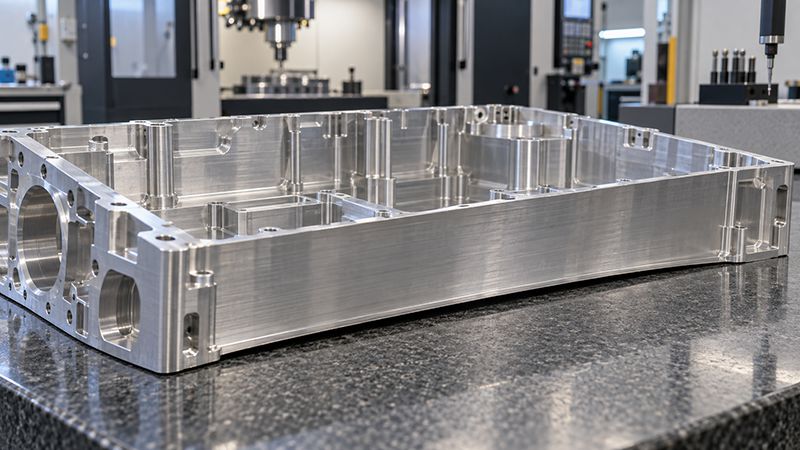
When you remove material from a billet, the stress that was locked in the raw stock redistributes. On a simple commercial bracket, nobody notices. On a thin-wall aerospace housing machined from a forging, the part can bow, twist, or spring open the moment it comes off...
by Accurate Machine & Tool Team | Sep 23, 2026 | CNC Machining, Manufacturing & Cost Estimating, Manufacturing Technology
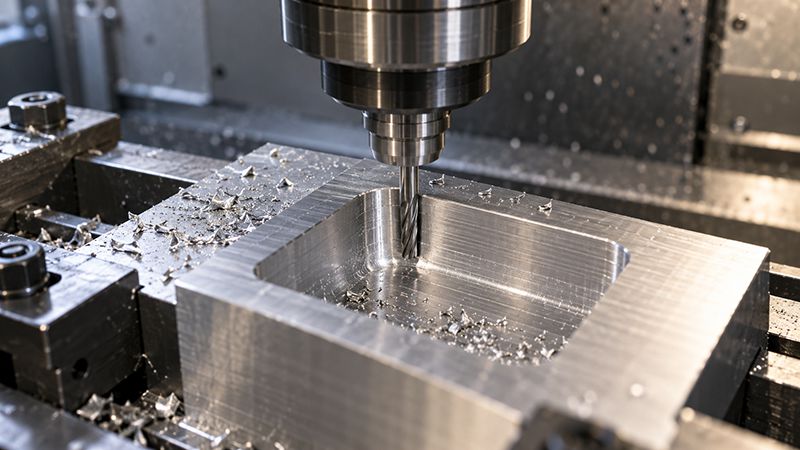
The same physics that makes internal corners impossible to cut square also makes corner radius a direct lever on cost — smaller radius, smaller tool, slower cut, higher price. Quick summary: Internal corner radius on a CNC part is limited by the diameter of the...
by James Wright | Sep 18, 2026 | Aerospace Machining, CNC Machining, Manufacturing & Cost Estimating, Manufacturing Technology
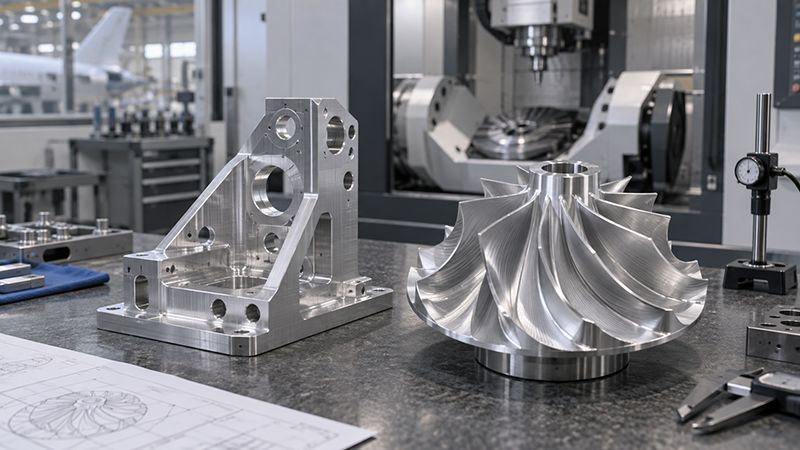
The sales pitch for 5-axis is that it does everything in one setup. That’s true. What the sales pitch doesn’t mention is that 5-axis programming takes longer, the machine costs more per hour, and a lot of parts that get quoted on 5-axis would be cheaper on a 3-axis...
by Accurate Machine & Tool Team | Sep 15, 2026 | Aerospace Compliance & Quality, Aerospace Machining, Blog, CNC Machining
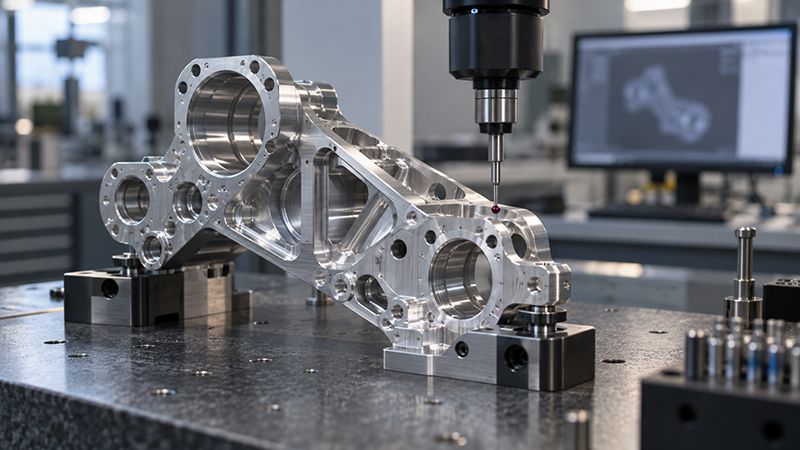
Open ten aerospace drawings and you’ll find ±0.001” on features that have no business needing it. That’s not because engineers are being careless — it’s because tight tolerance has become the safe default in a risk-averse industry. The problem is that “safe” and...
